
Cybercrime in Nigeria continues to rise, not only because scammers are getting smarter, but because many Nigerians unknowingly make simple mistakes that expose them to fraud, hacking, identity theft, and financial loss.
Awareness is the first step to protection. This article highlights the most common cybersecurity mistakes Nigerians make every day — and how to fix each one.
1. Using One Password for All Accounts
This is the biggest mistake Nigerians make online.
If a hacker gets one password,
they automatically get access to:
- Bank apps
- Social media
- Work accounts
How to fix:
✔ Use different passwords for each account
✔ Use a password manager
✔ Use strong passwords (not your date of birth)
2. Not Enabling Two-Factor Authentication (2FA)
Many Nigerians don’t enable 2FA on:
- Gmail
- Bank apps
This makes it easy for scammers to hijack accounts.
How to fix:
✔ Turn on 2FA on every app
✔ Use authenticator apps, not SMS
✔ Avoid sharing verification codes
3. Clicking Random Links on WhatsApp, Telegram, and Facebook
Scammers share:
- Fake giveaways
- Free data links
- Fake bank login pages
- Loan app links
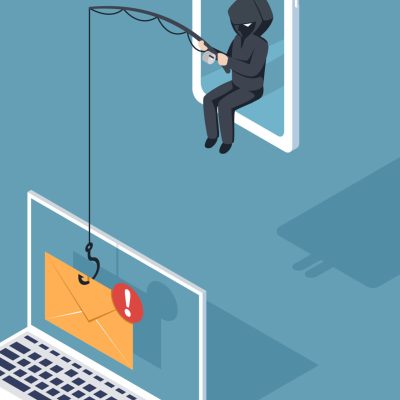
- Phishing links
Just one click can steal:
- Passwords
- Banking details
- WhatsApp account
- Contacts
How to fix:
✔ Avoid clicking unknown links
✔ Confirm URLs before opening
✔ Don’t trust forwarded messages
4. Downloading Free Movies, Apps, and Cracked Software
These often contain:
- Malware
- Keyloggers
- Spyware
- Ransomware
Hackers use these to monitor your phone or steal bank details.
How to fix:
✔ Download apps only from Play Store or App Store
✔ Avoid cracked software
✔ Use antivirus for extra protection
5. Oversharing Personal Information Online
Many Nigerians share:
- Birthday
- Location
- School
- Mother’s maiden name
- Phone number
- Relationship status
- Work details
Scammers use this to guess passwords or impersonate you.
How to fix:
✔ Avoid exposing private information
✔ Be careful with what you post
✔ Keep your personal life offline
6. Connecting to Public Wi-Fi Without Protection
Free Wi-Fi in:
- airports
- malls
- cafes
- hotels
- bus stations
…can be used by hackers to spy on you.
How to fix:
✔ Avoid public Wi-Fi for banking
✔ Don’t enter passwords on public networks
✔ Use a VPN if you must connect
7. Accepting Friend Requests from Strangers
Fake accounts use social engineering to:
- steal your information
- follow your habits
- send phishing messages
- impersonate trusted people
How to fix:
✔ Accept only people you know
✔ Block suspicious accounts
✔ Review your privacy settings
8. Believing Online Promises of Free Money
Common examples:
- “You won ₦500,000!”
- “Double your money investment.”
- “Get ₦50k grant.”
- “Free iPhone giveaway.”
- “Government palliative registration.”
These are mostly scams.
How to fix:
✔ If it sounds too good to be true, avoid it
✔ Verify from official government websites
✔ Avoid anything demanding upfront payment
9. Leaving Phones Unlocked or Using Weak Locks
Many Nigerians use:
- Swipe locks
- 0000
- 1234
- Birth year
- Phone number as PIN
This is dangerous.
How to fix:
✔ Use fingerprint + strong PIN
✔ Don’t share your phone password
✔ Enable auto-lock
10. Trusting Online Sellers Without Verification
Scammers use fake online stores on:
- Facebook Marketplace
Once you pay, they disappear.
How to fix:
✔ Ask for buyer reviews
✔ Use Pay on Delivery when possible
✔ Confirm CAC registration for large purchases
✔ Avoid paying strangers directly
11. Ignoring Software Updates
Old software = weak security.
Hackers exploit outdated apps.
How to fix:
✔ Update phone apps often
✔ Update browsers
✔ Update bank apps
✔ Update phones regularly
12. Using Banks Through Links Instead of Official Apps
Fake alerts and phishing attacks work because people:
- Open banking links sent by strangers
- Log in through SMS links
- Follow links on WhatsApp
How to fix:
✔ Use only official bank apps
✔ Type the bank URL manually
✔ Ignore “verification” messages
13. Giving Strangers Remote Access to Your Phone
This is very common.
Scammers ask you to:
- Install AnyDesk
- Install TeamViewer
- Install remote support apps
Once connected, they can:
- Access your bank app
- Transfer money
- Steal data
How to fix:
✔ Never allow remote access
✔ Only technicians you TRUST should handle your phone
✔ Always monitor who touches your device
14. Falling for Fake Financial Alerts
Some sellers accept:
- Fake SMS alerts
- Edited screenshots
- Fake bank emails
How to fix:
✔ Use real-time bank transfers
✔ Always check your bank app
✔ Don’t trust SMS alerts
15. Saving Banking Passwords on Notes or Messages
Scammers who hack your device can easily find:
- BVN
- PIN
- Passwords
- ATM details
- Secret questions
How to fix:
✔ Don’t write down sensitive information
✔ Use password managers
✔ Clear old chats
Conclusion
Most cybercrime succeeds because of simple mistakes that can be fixed with awareness and caution. If every Nigerian improved basic cybersecurity habits, we could reduce fraud cases drastically.
Share this article with others—awareness saves money, jobs, and lives.