
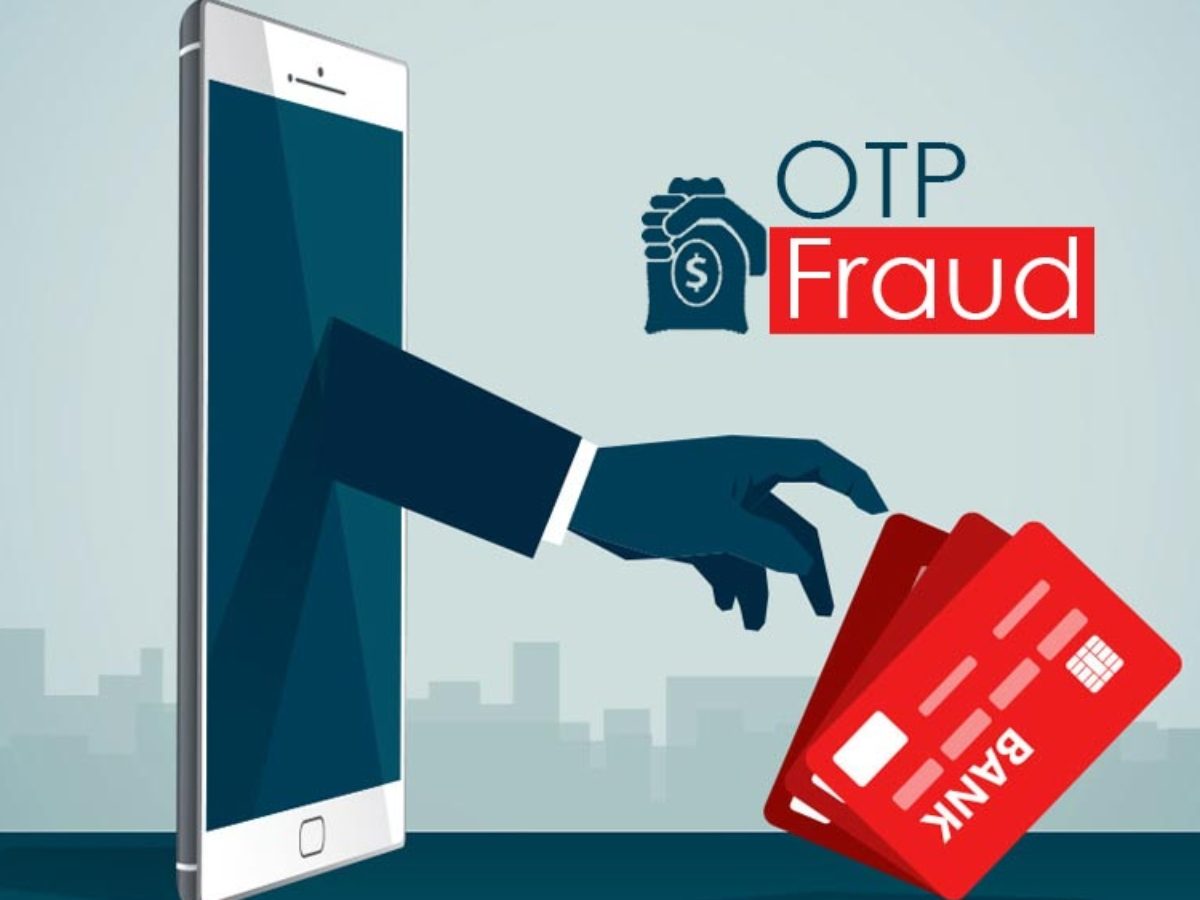
Online banking has made life easier, but it has also opened new opportunities for cybercriminals. In Nigeria today, one of the most common cybercrimes involves tricking people into giving away their OTP (One-Time Password), BVN, ATM details, bank app PIN, or card numbers.
Once scammers get any of these, they can wipe your bank account clean in seconds.
This article explains how these scams work, the signs to watch out for, and how to avoid becoming a victim.
Understanding the Key Banking Security Terms
1. OTP (One-Time Password)
A temporary code your bank sends to confirm a transaction.
2. BVN (Bank Verification Number)
A unique number that identifies you across all banks in Nigeria.
3. Card Details
Includes:
- Card number
- Expiry date
- CVV (3-digit code at the back)
4. Bank App PIN / USSD PIN
Your secret code for completing transactions.
NOTE:
Your bank will never call, message, or email you to ask for these details.
Common Banking Scams in Nigeria
1. Fake Customer Care Calls (Vishing Scam)
Scammers call pretending to be from:
- Your bank
- NCC
- CBN
- EFCC
They claim:
- “Your account has been blocked”
- “There was a suspicious transaction”
- “We need to verify your BVN/OTP immediately”
This is always fake.
Banks do not call customers asking for OTP or BVN.
2. Fake Bank SMS Alerts (Spoofing)
You may receive an SMS that appears to come from your bank’s official name.
The message may say:
- “Your account will be blocked”
- “Urgent verification needed”
- “Click this link to update your details”
These messages are from scammers using SMS spoofing.
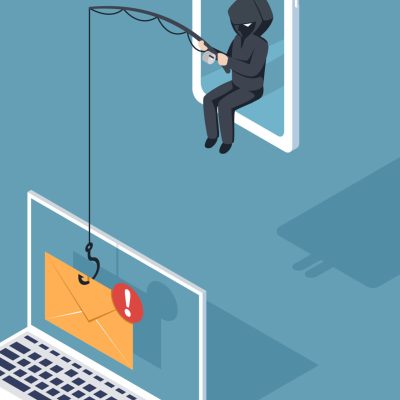
3. Fake Bank Email (Phishing Scam)
Emails may look real with:
- Bank logo
- Signature
- Customer care details
But the links lead to a fake website designed to steal your:
- ATM card details
- BVN
- Password
- Bank login credentials
4. WhatsApp and Telegram “Bank Support” Groups
Scammers create fake groups named:
- “GTBank Support Team”
- “Access Bank Helpdesk”
- “Opay Customer Service”
No bank operates support on WhatsApp.
5. Fake USSD Codes
Hackers may send messages asking you to dial:
- 1235#
- 77721#
- 4041#
Many of these codes initiate transfers or approvals.
Never dial codes sent by strangers.
6. Fake Loan Apps
Fraudulent apps:
- Steal contacts
- Steal passwords
- Steal banking data
- Blackmail users
- Initiate unauthorized transactions
Many Nigerians fall victim because they download random loan apps.
7. Fake POS Agents
Some fraudulent POS agents install malicious software on their terminals.
They can steal your:
- Card PIN
- Card information
Be cautious of roadside POS operators.
How to Protect Your Banking Information
1. Never Share Your OTP
Your OTP is the key to your account.
Once a scammer gets it, your money is gone.
2. Never Share Your BVN
BVN is personal and confidential.
No bank worker has the right to ask for it over the phone.
3. Set Strong PINs and Passwords
Avoid using:
- 1234
- 0000
- Your birth year
- Your phone number
Use something unique.
4. Enable Extra Security on Your Bank App
Most bank apps allow:
- Biometrics (fingerprint/face)
- Token security
- In-app approvals
Turn them on.
5. Avoid Clicking Links in SMS or Emails
Always open your bank’s official website manually.
Never click links from strangers or “support teams”.
6. Download Bank Apps Only from Official Stores
Use:
- Google Play Store
- Apple App Store
Not APK files from random websites.
7. Save Original Bank Customer Care Numbers
Only call numbers from official bank websites.
Never call numbers sent via SMS or WhatsApp.
8. Use SMS and Email Alerts
Enable notifications so you can detect unauthorized transactions immediately.
9. Don’t Allow Strangers to Help You at ATMs
Scammers often pretend to assist but steal card details or PINs.
10. Report Lost or Stolen Phones Immediately
Call your bank to deactivate your mobile banking and USSD.
Warning Signs You Are Being Targeted
- Unknown person asks for OTP
- Caller claims to be from a bank and asks for BVN
- You receive popup notifications of attempted logins
- Strange devices show under banking app “authorized devices”
- SMS threatens account closure
- You receive an ATM card delivery message you never requested
Any of these means danger.
What To Do If You Fall Victim
1. Immediately block or deactivate your account
Use your bank’s USSD emergency code:
- GTBank: 73751*74#
- Zenith: 966911#
- First Bank: 894911#
- Access: 901911#
- UBA: 919911#
2. Change your passwords immediately
3. Contact your bank to freeze the account
4. Report to FCU (Nigerian Police)
The Force Criminal Investigation Department handles cybercrime.
5. Report to NITDA and EFCC
They track digital fraud networks.
Conclusion
Banking scams are evolving fast in Nigeria. Cybercriminals no longer need card skimmers or physical access—they rely on tricking people into revealing sensitive information.
The best protection is awareness and education.
Never share your OTP.
Never share your BVN.
Never trust links from strangers.
Never believe any “bank staff” who calls unexpectedly.
Your safety begins with you—and NoToYahoo.org is here to help Nigerians stay protected from digital fraud.