

Social media has become one of the most powerful tools for cybercriminals. Platforms like Facebook, Instagram, TikTok, Snapchat, and even LinkedIn are now used to monitor users, gather personal information, and launch scams with frightening precision.
This article explains how scammers operate on social media, the tactics they use, the traps to avoid, and how to protect yourself online.
Why Social Media Is a Goldmine for Scammers
Scammers love social media because it provides:
- Free access to millions of people
- Personal details that help customize attacks
- Tools to create fake identities
- A platform where victims trust strangers easily
- Fast communication
- Easy anonymity
Every post you make gives scammers information such as:
- Your job
- Your relationship status
- Your financial condition
- Your location
- Your interests
- Your family members
- Your lifestyle
This makes it easy for them to profile you and plan an attack silently.
Common Social Media Scam Tactics
1. Fake Profiles
Scammers create:
- Attractive fake accounts
- Fake foreign profiles
- Fake soldiers/doctors/businessmen
- Fake verified-looking accounts
- Stolen photos
These accounts are used for:
- Romance scams
- Investment scams
- Fake giveaways
- Identity theft
They look real, speak convincingly, and use stolen images from the internet.
2. Impersonation Scams
Scammers impersonate:
- Celebrities
- Government officials
- Bank representatives
- NGOs
- Popular brands
- Verified Instagram users
They often use profile names like:
- GTBank Helpdesk
- NIMC Support
- Dangote Foundation Giveaway
- MTN Customer Care
- EFCC Recruitment Portal
Then they ask victims to:
- Send money for registration
- Provide BVN or OTP
- Click suspicious links
3. Romance Scams
This is one of the fastest-growing scams online.
Scammers:
- Pretend to be in love
- Send frequent messages
- Share fake photos
- Promise marriage or partnership
Then later:
- Ask for money
- Claim emergency situations
- Request for “help” or “support”
Victims lose millions every year to romance scams.
4. Fake Investment & Crypto Scams
These scams usually involve:
- Forex
- Crypto doubling
- Bitcoin trading
- MT5 trading
- Real estate flipping
- Loan apps
Scammers use:
- Fake profit screenshots
- Edited bank alerts
- Fake testimonies
- Influencer impersonations
Promising:
- “Invest 20k get 100k in 30 minutes.”
- “Crypto investment with 300% ROI.”
These are always scams.
5. Giveaway Scams
Popular on:
- TikTok
Scammers ask:
- “Drop your account number.”
- “You’ve won, just pay ₦2,000 for processing fee.”
Real giveaways never ask for money.
6. Hacked Account Scams
Hackers take over someone’s account and message all their friends asking for:
- Urgent money
- “Help me with 5k, I’ll pay back.”
- “I am stranded.”
Because the message comes from a familiar person, victims easily fall for it.
7. Fake Job Offers on Social Media
Scammers post fake job offers promising:
- High salary
- No experience needed
- Work from home
- Urgent recruitment
Then they demand:
- Registration fee
- Training fee
- “Application processing charge”
Legitimate jobs NEVER require payment.
How Scammers Gather Your Information
1. Your public profile
Anything not set to “Private” can be used against you.
2. Your photos
Scammers download your pictures to:
- Create fake accounts
- Blackmail victims
- Steal identity
3. Location updates
Posting your location helps scammers track:
- Where you live
- Your daily routine
- When you’re away
4. Relationship posts
Scammers use your emotional state to target you.
5. Your comments
They analyze your behaviour and interests.
Cybercriminal Tricks You Need to Know
1. Social Engineering
They study your personality and attack where you’re weak.
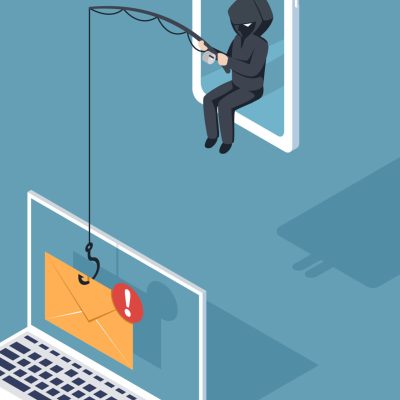
2. Phishing
Links disguised as:
- Bank alerts
- Giveaway forms
- Facebook/Instagram login
- Free data/airtime
- Job applications
These steal your:
- Password
- Phone number
- Bank details
3. Malware Links
Some links download spyware to your phone.
How to Protect Yourself on Social Media
🔒 1. Make Your Account Private
Limit who can:
- View your posts
- Send messages
- See your personal info
🔑 2. Enable Two-Factor Authentication (2FA)
Protects your accounts even if your password is stolen.
🚫 3. Avoid Accepting Unknown Friend Requests
Many fake accounts look real.
🤐 4. Don’t Overshare Personal Information
Avoid posting:
- Your home
- Your ID
- Your ATM card
- Your location
- Relationship dramas
- Salary or business income
🕵️ 5. Verify Before You Trust
Check:
- Profile age
- Followers
- Post history
- Reverse image search
💳 6. Never Send Money to Online Strangers
Especially those promising:
- Love
- Investment
- Help
- Business opportunities
📵 7. Avoid Clicking Random Links
Especially from:
- Unknown pages
- Giveaways
- DMs
🧠 8. Stay Educated
Follow platforms like NoToYahoo to learn the latest scam tactics.
Conclusion
Social media is a powerful tool — but also a dangerous one when used carelessly.
Scammers succeed because victims trust easily, overshare information, and ignore warning signs.
By understanding how scammers operate and staying alert, you can protect yourself, your family, and your community from online fraud.