
Identity theft has become one of the fastest-growing cybercrimes worldwide — and Nigeria is no exception. Every day, individuals unknowingly expose the personal information that fraudsters need to impersonate them, open accounts, steal money, or commit crimes in their name.
The goal of this article is to help you understand what identity theft is, the types you should watch out for, how it happens, and — most importantly — how to protect yourself.
1. What Is Identity Theft?
Identity theft happens when someone illegally obtains and uses your personal information without your permission. This information can include:
- Full name
- Phone number
- BVN/NIN
- Date of birth
- Home address
- Passwords
- ATM card details
- Social media accounts
- Passport or ID card details
Fraudsters then use these details to impersonate you or gain access to your financial or online accounts.
2. Common Types of Identity Theft
Here are the most common identity theft tactics affecting Nigerians today:
a. Financial Identity Theft
Cybercriminals use your bank details, card number, PIN, or BVN to withdraw money, take loans, or make purchases.
b. Social Media Account Takeover
Your Facebook, WhatsApp, or Instagram account may be hijacked and used to scam your contacts.
c. SIM Swap Fraud
Fraudsters trick telcos into issuing a new SIM with your phone number, giving them access to your OTPs and bank alerts.
d. Criminal Identity Theft
Someone uses your identity when committing a crime, leaving you to face false accusations.
e. Loan App Identity Theft
Fraudsters use stolen data to take loans from online lenders using your name and number.
3. How Identity Theft Happens
Cybercriminals use several smart — and sometimes surprisingly simple — techniques:
1. Phishing
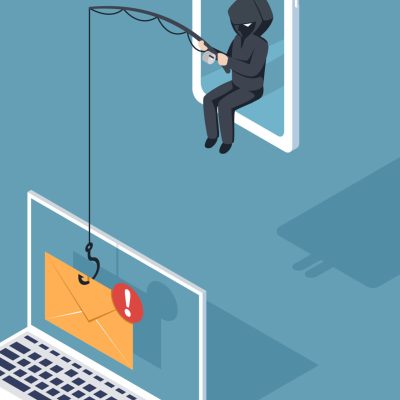
Fake emails, SMS, or WhatsApp messages pretending to be from your bank, NIMC, or social media platform asking for your details.
2. Fake Websites
Look-alike websites that collect your login details when you sign in.
3. Data Breaches
When apps and websites leak user information due to poor security.
4. Public Wi-Fi
Hackers can intercept data you send over open networks.
5. Phone or Laptop Theft
If your device is not password-protected, your data is exposed.
6. Oversharing Online
Posting your birthday, home address, school, work location, or travel plans can provide clues for identity thieves.
7. Weak Passwords
Using simple or repeated passwords makes it easy for criminals to guess or crack your accounts.
4. Signs That Your Identity May Have Been Stolen
Be alert if you notice:
- Unexpected bank withdrawals
- Emails for password resets you didn’t request
- Account login notifications from strange devices
- Contacts receiving messages you didn’t send
- Being locked out of your own social media accounts
- Unknown loans taken in your name
- Missing phone network signal (possible SIM swap)
The earlier you detect identity theft, the easier it is to stop.
5. How to Protect Yourself from Identity Theft
1. Use Strong, Unique Passwords
Avoid using the same password across multiple accounts.
Example of a strong password:G0!d_River#2025
2. Enable Two-Factor Authentication (2FA)
This adds an extra layer of protection to your accounts.
3. Avoid Sharing Sensitive Information
Never give your BVN, PIN, OTP, or card details to anyone, including someone claiming to be a bank staff.
4. Use Verified Apps and Websites
Check for:
- The HTTPS padlock
- Correct website spelling
- Verified social media pages
5. Keep Your Phone and SIM Secure
Lock your SIM with a PIN.
Use fingerprint or face unlock on your devices.
6. Update Your Apps Regularly
Updates fix security weaknesses hackers can exploit.
7. Avoid Public Wi-Fi for Banking
If you must use it, avoid logging into sensitive accounts.
8. Shred Documents with Personal Details
Old bank statements, utility bills, or photocopies of your ID should not be thrown out carelessly.
6. What to Do If Your Identity Has Been Stolen
If you suspect identity theft:
1. Contact Your Bank Immediately
Block your ATM card and freeze your account if necessary.
2. Reset Passwords
Secure all your emails, social media, and financial accounts.
3. Report to Your Telecom Provider
In case of SIM swap or suspicious activity.
4. Report to Law Enforcement
Use the EFCC, NPF Cybercrime Unit, or NITDA reporting portals.
5. Inform Friends and Family
Warn your contacts if your social media account was used to scam them.
Conclusion
Identity theft doesn’t only happen to “careless people”—anyone can fall victim if they are not informed. In a digital world where data is extremely valuable, protecting your personal information must be a priority.
By practicing good cybersecurity habits and staying alert, you can greatly reduce the chances of becoming a victim.
Platforms like NoToYahoo.org exist to help people stay informed, stay safe, and stay empowered online.