
Cybercrime has become one of the fastest-growing threats in Nigeria, Africa, and across the world. Every day, thousands fall victim to fake investment schemes, hacked accounts, phishing emails, romance scams, and financial fraud. Sadly, a large percentage of people don’t fully understand what cybercrime is — or how easily anyone can become a victim.
This article breaks down the meaning of cybercrime, the different forms it takes, and the dangers people often ignore.
What Is Cybercrime?
Cybercrime simply means any criminal activity carried out using a computer, smartphone, or the internet.
It includes everything from hacking into someone’s bank account to running a fake online business. Unlike traditional crime, cybercrime can be done from anywhere, often without the victim realizing what has happened until it’s too late.
Types of Cybercrime Common in Nigeria
1. Online Scams (Yahoo Yahoo)
This is the most widespread form of cybercrime in Nigeria, involving fraudulent emails, fake promises, romance scam tactics, or impersonation to steal money.
2. Phishing
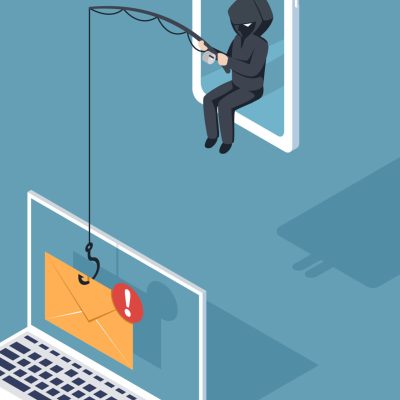
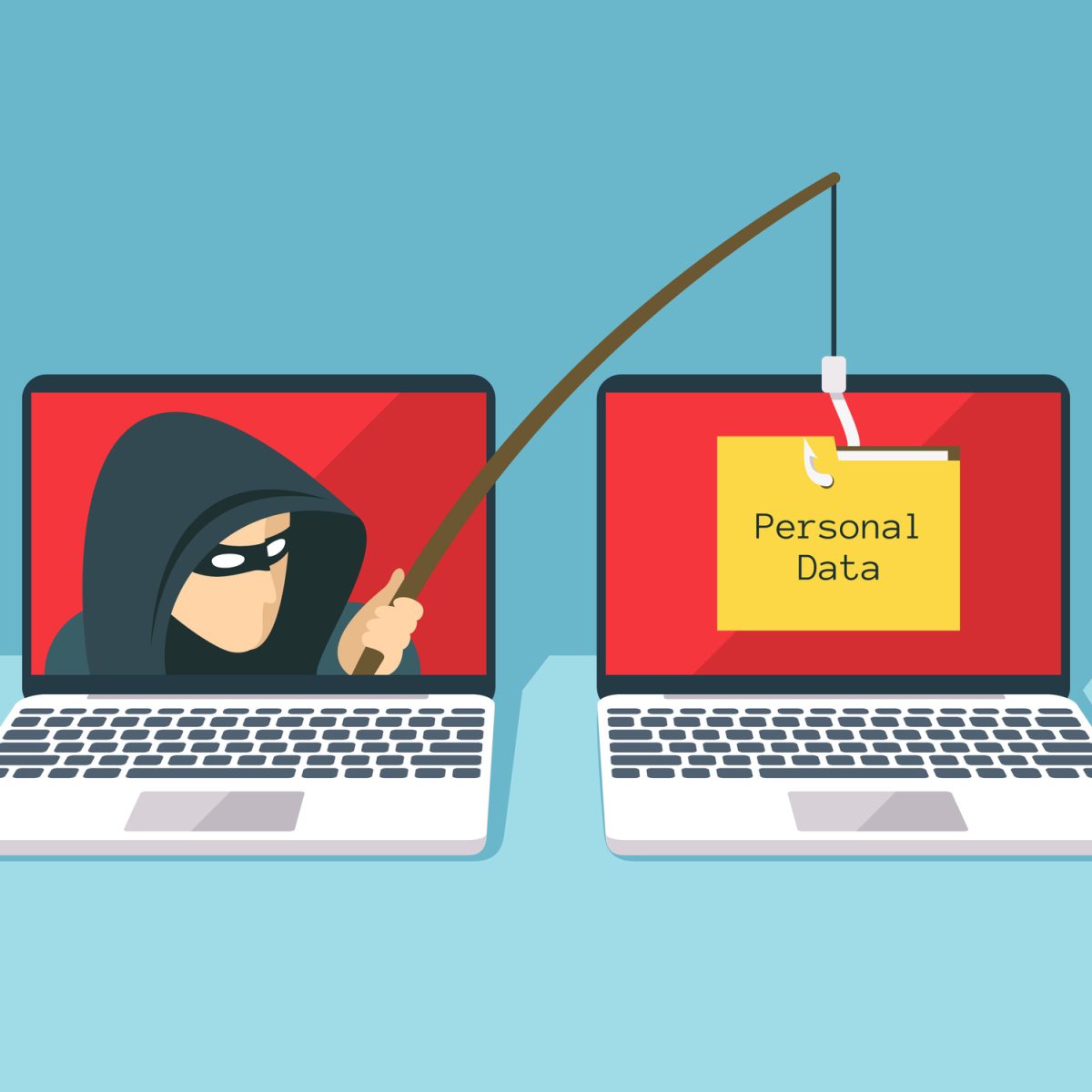
Fake emails or messages designed to trick people into giving their passwords, PINs, or OTPs.
3. Social Media Hacking
Fraudsters break into someone’s Facebook, WhatsApp, Instagram, or X account to scam their friends and family.
4. Fake Investment Platforms
Scam sites that promise unrealistic returns, then shut down or disappear with people’s money.
5. Identity Theft
Stealing someone’s personal information to open accounts, apply for loans, or impersonate them online.
6. SIM Swap Fraud
Fraudsters gain control of your phone number, intercept bank alerts, reset passwords, and empty your accounts.
7. Online Blackmail
Some criminals threaten to release personal photos or information unless victims pay money.
8. Fake Job, Scholarship, or Visa Offers
These target young people desperate for opportunities.
Why People Ignore the Dangers
1. “It can’t happen to me” mindset
Many Nigerians believe only “unwise” people get scammed — until it happens to them.
2. Lack of awareness
Most people don’t know how modern cybercriminals operate. Fraudsters are now using advanced, psychological tactics.
3. Greed and desperation
Scammers prey on the desire for quick money or unrealistic opportunities.
4. Shame and silence
Victims often feel embarrassed and don’t speak up, allowing scammers to continue.
The Real Impact of Cybercrime on Society
1. Destroyed finances
People lose millions every year — sometimes their life savings.
2. Broken relationships
Scams that involve impersonation or romance fraud can destroy trust.
3. Youth corruption
Many young Nigerians are deceived into believing “Yahoo” is a job or hustle, ruining their future.
4. Damaged national image
Cybercrime creates a negative reputation for Nigeria globally, affecting jobs, visas, and business opportunities for innocent citizens.
5. Mental and emotional damage
Victims experience depression, anxiety, and fear of using technology.
How You Can Protect Yourself
- Never share your PIN, password, or OTP — not even with “bank staff.”
- Be suspicious of anything that sounds too good to be true.
- Double-check websites before entering personal details.
- Enable 2-factor authentication (2FA) on all accounts.
- Educate your family and friends. Many victims are elders who trust easily.
Conclusion
Cybercrime is not just a “Yahoo boy problem.” It affects everyone, and the only real defense is awareness. By learning and spreading the right information, we can build a safer digital environment for Nigerians and the world.
NoToYahoo.org exists to educate, protect, and empower the public. For every scam avoided, a life is changed.